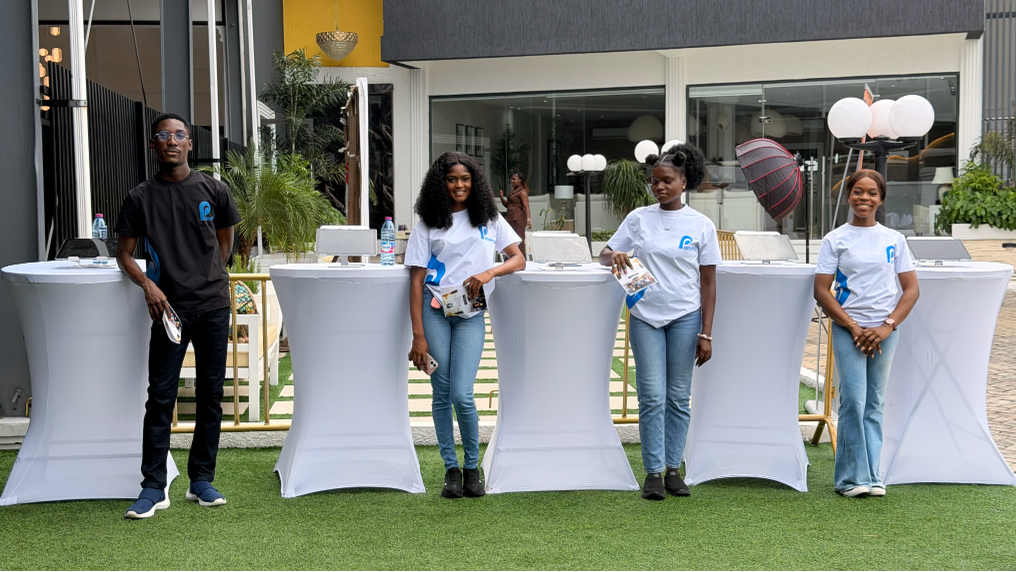
The room is full. The programme says 9:00. At 9:20 the MC is still waiting, because the desk is copying names off paper into a spreadsheet.
That pattern shows up at school open days in Accra, church conventions, and corporate AGMs. The event did not start late because people arrived late. It started late because check-in was a bottleneck.
Where a paper register fails
Handwriting is hard to read when you need the list later. A name written twice looks like two people. And nobody at the desk can tell you, in the moment, how many seats are still empty.
QR check-in flips the order of work. The attendee registers before the day, then arrives with a code on their phone or a printed tag. The desk scans, the record updates, and the next person steps forward. A school with 400 parents and a conference with 400 delegates have the same constraint: the desk should not be typing.
What actually makes the scan fast
The report at the end is a by-product. The point is that the programme starts when the programme says it starts.
- —Send or print the code before the day, not at the door.
- —Staff the desk with people who only scan. Questions and payments belong at a second table.
- —Watch the live count. If one entrance stalls, open another before the queue reaches the corridor.